Nutrition for Older Adults: Basic Rules for Good Health
15/09/2026
Early Signs of Dementia: When Memory Loss Is Something More
22/09/2026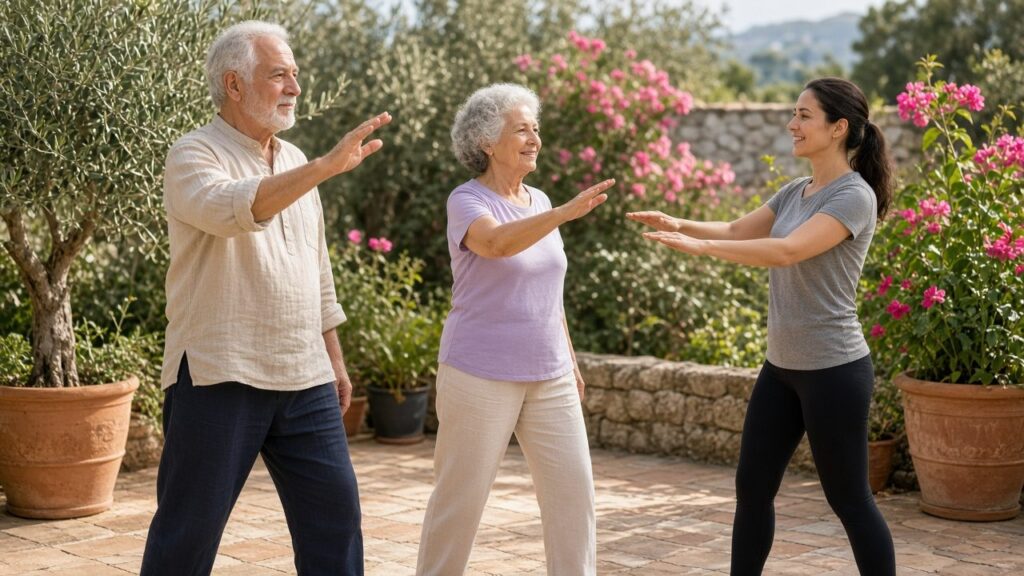
Regular physical activity keeps both body and mind in excellent shape. In particular, gentle exercise for older adults improves balance, strengthens muscles and supports everyday independence. Simple exercises also protect against dangerous falls and ease stiffness.
In the past, many people believed that rest was the only safe option. However, modern medicine shows that inactivity speeds up physical decline. Daily walking and stretching therefore offer invaluable benefits at any age.
Why does exercise protect older adults’ health?
First, regular movement increases blood flow and supplies the brain with oxygen. Physical activity also lifts the mood and helps keep low spirits at bay. At the same time, the joints stay flexible without severe pain.
According to the World Health Organization, moderate activity helps prevent chronic cardiovascular disease. Daily activity also significantly reduces the risk of diabetes and stroke. Physical exercise is therefore the best and safest preventive medicine.
The best forms of gentle exercise
Older people can choose enjoyable activities that suit their stamina. In addition, specialist physiotherapists recommend personalised exercises based on each person’s needs.
- Daily walking: First, twenty minutes of gentle walking in the fresh air strengthens the heart.
- Balance exercises: Second, standing on one leg with support effectively helps prevent stumbles.
- Gentle stretching: In addition, slow movements on the sofa loosen the lower back and hips.
- Light weights: Finally, small hand weights strengthen the arms and protect the bones.
As a result, older people walk with confidence inside and outside the home. A prolonged sedentary lifestyle, by contrast, leads to a gradual loss of muscle strength.
Chair exercises for safety
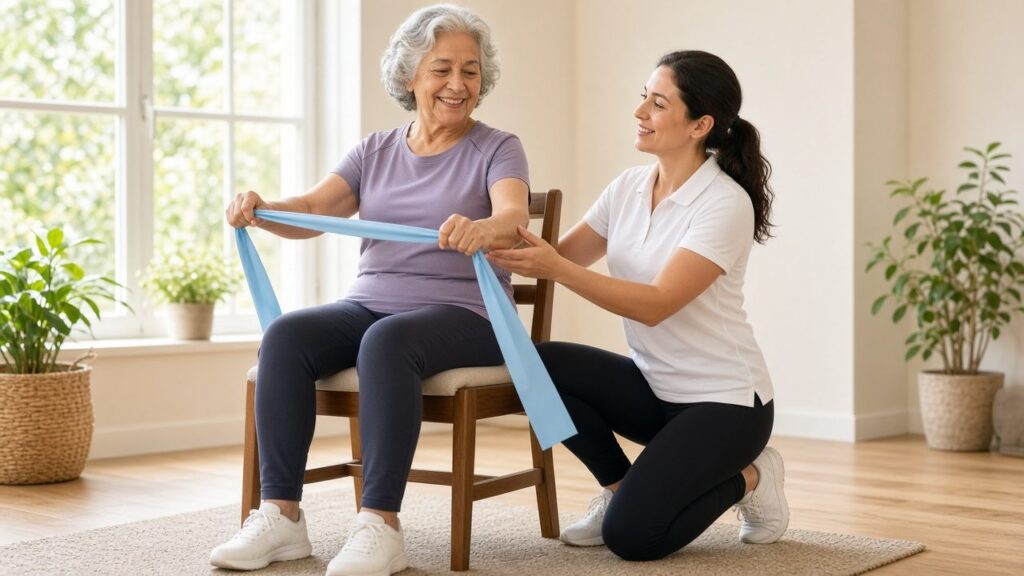
Many older people struggle with serious unsteadiness or severe knee pain. A chair offers complete stability and minimises the risk of injury. For this reason, therapists often recommend seated exercises.
First, the older person slowly lifts their legs, straightening the knees. They then rotate their ankles and raise their arms up high. This way, they activate the circulation without straining the spine.
In addition, slowly standing up from a chair strengthens the thighs dramatically. The right exercise for older adults therefore gradually builds the functional strength needed for everyday life.
How to start safely
Before starting any programme, a doctor should assess heart function. The older person should always start at a slow pace with just a few minutes of exercise. This way, the body adapts smoothly without becoming exhausted.
Choosing comfortable, non-slip shoes also prevents dangerous slips on the floor. At the same time, the person should take small sips of water before, during and after exercise. This keeps hydration and energy levels steady.
Why guidance from specialists matters
Having a specialist therapist present ensures that every movement is done correctly. Targeted exercise for older adults needs constant supervision to avoid incorrect movements. Exercising in a group also encourages social contact and eases loneliness.
In a modern care facility with medical monitoring, physiotherapy is part of the daily programme. Health professionals also adjust the exercises according to each resident’s progress. Relatives can therefore feel completely reassured about their parents’ physical well-being.
If you are looking for a safe environment with specialised care, contact us today. Our experienced team will tell you all about our rehabilitation programmes.
Frequently Asked Questions
How much exercise does an older person need each day?
Specialists recommend about twenty to thirty minutes of gentle activity a day. The older person can also split this time into two ten-minute sessions. This achieves the same excellent result without tiring the body.
What should we do if they feel dizzy or in pain?
First, the older person should stop moving immediately and find a safe place to sit. They should then drink a little water and take deep breaths. This way the body calms down quickly while the doctor assesses the symptom.
Can a person with mobility problems exercise?
Of course. Physiotherapists design exercises that can be done even in bed or in a chair. Gentle guidance from the therapist keeps the joints mobile. As a result, the patient avoids stiffness and complete immobility.
Does exercise help prevent dementia?
Yes, international research shows that physical activity stimulates brain function. Movement also promotes the formation of new nerve connections. As a result, the older person keeps their thinking and memory clear.