Macular Degeneration Treatment: New Long-Acting Options
31/10/2026
Depression in Older Adults: Symptoms and Treatment
07/11/2026
Immunosenescence is the gradual change of the immune system that comes with age. It helps explain why infections can hit older people harder and why recovery takes longer. The World Health Organization links healthy ageing to keeping the body’s functions, including its defences, for as long as possible. There is no single pill that reverses this process. Still, simple, proven steps can support the immune system in later life. This guide explains what they are.
What is immunosenescence?
With age, the body makes fewer new T and B lymphocytes. These white blood cells recognise germs and remember them. The thymus, a small gland in the chest, shrinks over the years. This is a normal change. Research into ways to “rejuvenate” the thymus continues, but it is still experimental and not an established treatment.
Ageing also brings low-grade, long-lasting inflammation, sometimes called “inflammageing”. It wears down tissues and makes the immune response less precise. Lifestyle and good control of chronic illness are the main ways to reduce it.
Not every older person ages at the same pace. Two people of 80 can have very different immune health. Genes play a part, but so do diet, activity, sleep, smoking and long-term illness. That is good news, because several of these factors can change.
How immunosenescence affects daily health
In practice, immunosenescence shows up in a few clear ways:
- infections such as flu or pneumonia can become serious more quickly.
- fever may be mild or absent, even during a significant infection.
- vaccines may trigger a weaker response than in younger adults.
- recovery after an infection or a hospital stay often takes longer.
Confusion, falls or sudden weakness can sometimes be the first sign of an infection in an older person. Families should report such changes to the doctor quickly.
Vaccines: the best-proven protection
Vaccines may produce a weaker response in later life, yet they remain one of the best-proven ways to prevent serious infection. National guidelines usually recommend these vaccines for older adults:
- flu, every autumn.
- pneumococcal vaccine, against a common cause of pneumonia.
- shingles (herpes zoster).
- COVID-19, according to current advice.
The NHS vaccination schedule is a useful example of what is offered by age. The timing should suit each person, especially with chronic illness or a weakened immune system. A mild cold does not always mean a delay. The doctor decides, particularly if there is fever or a recent hospital stay. An up-to-date vaccination record helps avoid missed or repeated doses.
Nutrition, deficiencies and supplements
Enough protein, plenty of fruit and vegetables and good hydration all support the body’s defences. Blood tests make sense when there are signs of low vitamin D, zinc or iron. The NHS guidance on vitamin D explains who may need a supplement.
Supplements do not replace a varied diet. Do not start them without medical advice, because high doses of some minerals can cause harm. Our guide to nutrition for older adults covers the basics.
Exercise, sleep and stress
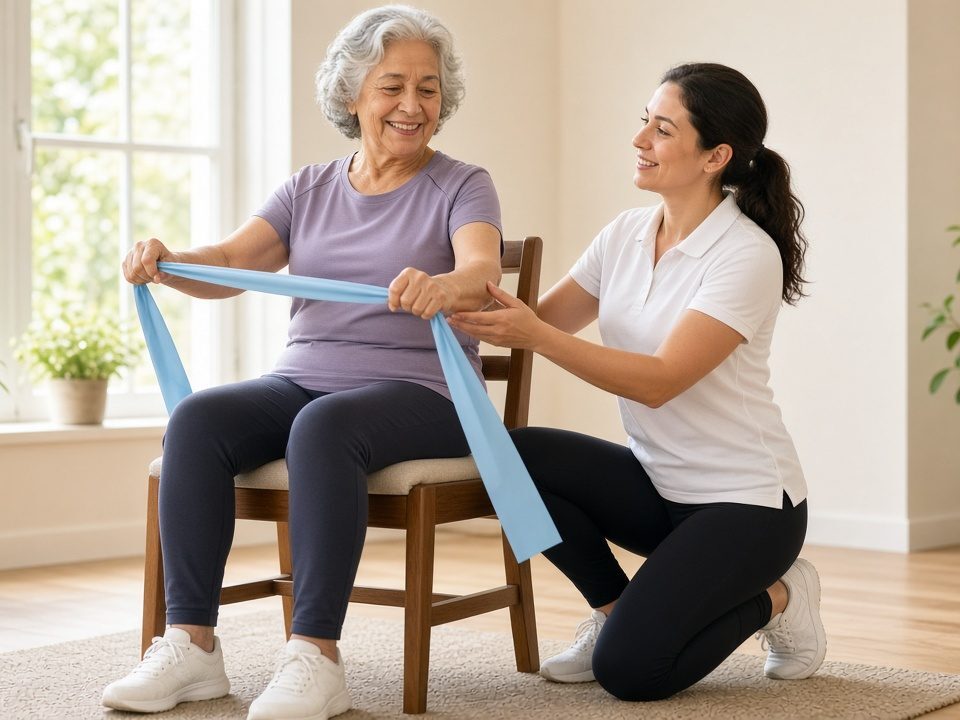
Exercise is one of the few habits shown to soften the effects of immunosenescence. Regular, moderate activity helps immune cells circulate and keeps muscles strong. Even short daily walks count. A sedentary life and poor sleep weaken the same system. Our article on gentle exercise and mobility offers safe ideas.
Simple habits support better sleep:
- a steady bedtime and wake-up time.
- less caffeine in the afternoon.
- morning daylight and short walks during the day.
Controlling chronic illness
Poorly controlled diabetes, high blood pressure and heart disease all affect immune function. Good control of blood sugar, blood pressure and heart health, plus stopping smoking, often helps more than any “immune booster” product.
After a serious infection, recovery in older people often takes longer. If tiredness, cough or fever continue, ask the doctor for a review rather than adding new supplements.
When to see a doctor
Immunosenescence itself is not a disease, so there is no test that “diagnoses” it. Ask for a medical review if infections are frequent or slow to clear. The same applies to unexplained fever, marked tiredness or weight loss. A review also makes sense before vaccines in someone who takes many medicines or has a weakened immune system. At ΔΕΛΦΙΝΙ, regular medical follow-up and daily care help keep vaccines, nutrition and deficiencies on track.
Frequently asked questions
How does age affect the body’s defences?
With age, the immune system slowly changes. It makes fewer new T cells and reacts less strongly to infections and vaccines.
Can diet improve the immune response?
A varied diet with enough protein, fruit and vegetables supports immune cells and helps limit low-grade inflammation.
What role does exercise play?
Regular, moderate activity helps immune cells circulate and supports overall resilience. Short daily walks are a good start.
When should I ask for medical help?
Ask a doctor when infections are frequent or slow to clear, or when fever, tiredness or weight loss have no clear cause.
For personal advice about your relative, please contact us and we will get back to you.